The German parliament has approved a temporary German fuel tax cut, aiming to ease the burden of high prices on consumers nationwide. Lawmakers in the Bundestag passed the measure on Friday. This decision comes as global oil prices remain elevated, impacting everyday expenses for many.
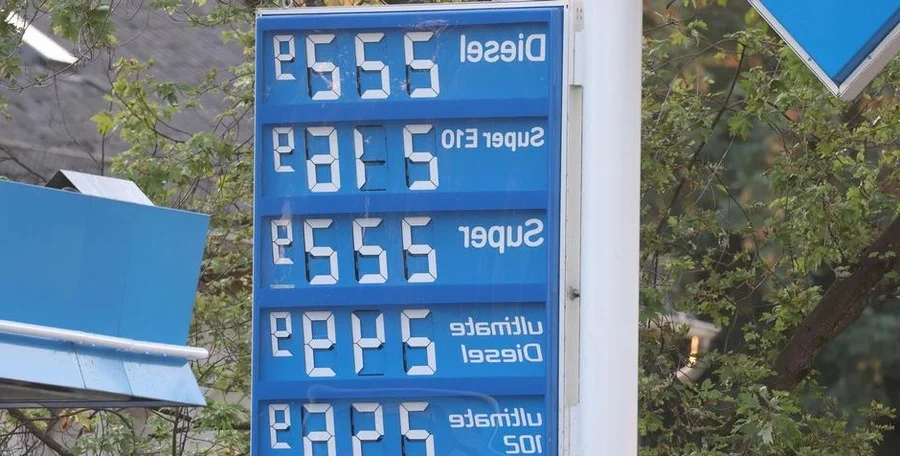
This significant German fuel tax cut will reduce taxes on petrol and diesel by approximately €0.17 per liter. The changes will take effect from October 1 and remain until the end of the year. This move is expected to cost federal and state governments around €2.5 billion in lost tax revenue.
The measure marks the second German fuel tax cut implemented this year. A similar reduction earlier this year significantly impacted gas prices. Motorists can expect savings of up to 16.7 euro cents per liter at the pump, despite gas stations not being legally obligated to pass on the full savings.
In other news, German Defense Minister Boris Pistorius visited Budapest to restart military cooperation with Hungary. He met with his Hungarian counterpart, Romulusz Ruszin-Szendi, announcing a new phase of bilateral relations. This comes after a change in Hungary’s government, signaling a closer alignment with NATO and EU partners.
Separately, German Foreign Minister Johann Wadephul held talks in Canada regarding its potential associate membership in the European Union. Minister Wadephul emphasized the deepening of cooperation in key areas. Both ministers signed a confidentiality agreement to enhance military and defense collaboration.
Domestically, the Left Party in Berlin has approved exploratory coalition talks with the Greens and Social Democrats (SPD). This follows their success in last week’s state election in the capital. These discussions aim to form a new government in Berlin.
Meanwhile, students across Germany are protesting against the potential return of military conscription. Over 100 protests are planned nationwide. The immediate trigger is a mandatory military testing drive for young men in Schleswig-Holstein, despite Germany suspending mandatory conscription in 2011.
In economic developments, chemical giant BASF is reportedly seeking to acquire rival Evonik. Specialty chemicals company Evonik confirmed media reports regarding a possible takeover offer. The potential acquisition would require approval from German and EU competition authorities.
A new law also passed the Bundesrat, making e-scooter companies liable for accidents involving their vehicles. This change aims to simplify compensation claims for victims of e-scooter crashes. Previously, individual renters were primarily responsible.
Finally, the town of Heidenau has controversially banned new Stolpersteine, or ‘stumbling stones’, memorializing Holocaust victims. The local CDU and AfD parties voted together to pass the motion. This decision has sparked strong criticism from organizations like the International Auschwitz Committee.