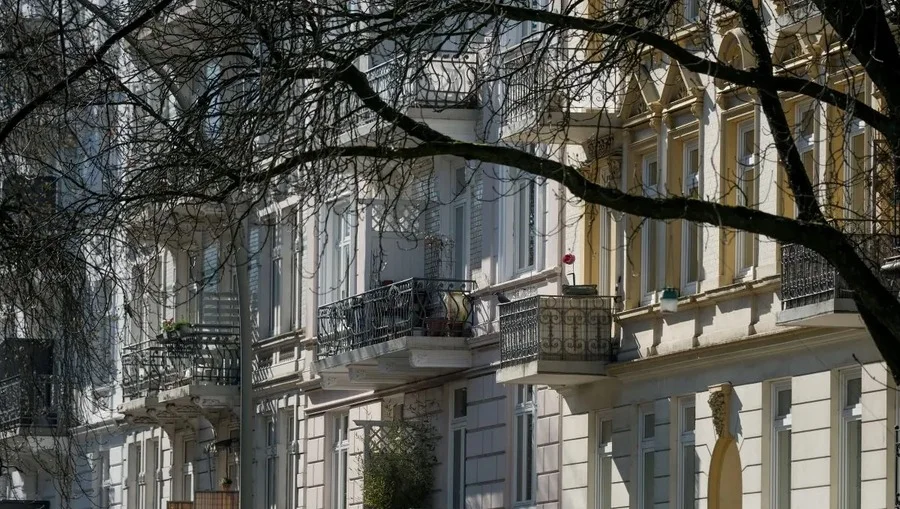
The long-held dream of owning a home in Germany, whether a city apartment or a suburban cottage, now faces a tougher reality. German mortgage rates have climbed significantly, making property purchases increasingly expensive across the country.
For instance, 10-year fixed-rate loans currently carry interest rates just under 4.2 percent. Another provider estimates average annual rates at 4.1 percent. By comparison, these rates stood at 3.4 percent only a year ago. This represents an increase of approximately 0.7 percentage points within 12 months.
Prospective buyers must adjust their financial calculations accordingly. Experts note people are scrutinizing their options more closely. They carefully consider property choices and long-term monthly repayment affordability. For a €300,000 loan, new rates could mean an extra €250 in monthly payments.
Several factors contribute to these rising German mortgage rates. The long-term interest rate level on the capital market is the primary driver. Yields on these markets have recently risen sharply. Notably, 10-year German government bonds temporarily yielded more than they had in over 17 years this past September.
Consequently, higher long-term yields make refinancing more costly for banks. This expense then translates directly into elevated mortgage rates for consumers. Furthermore, high energy prices, exacerbated by global conflicts, have heightened financial market concerns about prolonged inflation. Therefore, buyers should prepare for rates to remain above the four percent mark for the foreseeable future, according to industry leaders.
This market shift has already impacted demand. Data shows that in the second quarter of this year, housing loan demand recorded its largest fall in three years. Meanwhile, banks have also tightened their lending criteria. The net share of banks imposing stricter requirements rose from four percent to seven percent in the last quarter.
Banks cite higher credit risks, increased refinancing costs, and a lower risk tolerance for these tougher rules. This means securing desired financing is becoming more difficult, not just more expensive. Moreover, a property’s energy efficiency plays a growing role. Banks are generally less willing to finance properties with poor energy ratings compared to well-renovated ones. Poor energy efficiency tends to lower a property’s overall value.
Rising interest rates affect not only new buyers but also existing homeowners facing refinancing. Their remaining debt is often significantly lower after years of repayments. As a result, the actual increase in their monthly payments may be less severe than a simple comparison of interest rates suggests.
One option for homeowners is a forward mortgage, which locks in current rates for a future refinancing deal. However, banks charge an additional premium for this flexibility. Its value depends on how interest rates evolve in the coming months. Uncertainties persist; an easing of global tensions, for example, could lower energy prices and dampen inflation, potentially pushing down bond yields and, subsequently, mortgage rates.
Experts advise homeowners to avoid rushing into decisions without thorough research. Waiting a few extra weeks or months might still be early enough if a refinancing deal is a year away.